
PT100
Precise Temperature Measurement in Coating Facilities
Used in coating plants PT100, resistance thermometer (RTD – Resistance Temperature Detector) It is a type of temperature sensor that measures the temperature in water, plating baths, or process equipment. to measure with high precision The PT100 is a sensor designed to be highly sensitive to temperature changes and accurately transmits temperature readings using a 100 Ω platinum resistor element.
PT100 sensors are particularly useful in coating plants. Temperature control of chemical baths, monitoring of temperature stability in water heating systems and process lines. This is critically important. This equipment prevents temperature fluctuations, ensuring the preservation of coating quality and the stable operation of chemical reactions.
Advantages of Using PT100
- High-Precision Measurement: It accurately monitors the process temperature with a precision of ±0.1°C.
- Improves Coating Quality: It prevents temperature fluctuations, ensuring the homogeneity of the coating surface.
- Process Control: It continuously monitors the temperature of chemical baths and water systems.
- Long-lasting and reliable: Its platinum-based structure offers high stability and durability.
- Easy Integration: It can be easily connected to automation and control systems.
Applications in Coating Plants
- Coating Baths: It ensures that chemical reactions occur at the correct temperature.
- Water Heating and Cooling Systems: It prevents temperature fluctuations in the system.
- Process Lines: It supports the stable operation of coating processes through temperature control.
- Automation Systems: It provides continuous monitoring by being integrated into digital or analog control systems.
Robot ropes
Load Handling and Robotic System Support Equipment in Coating Plants
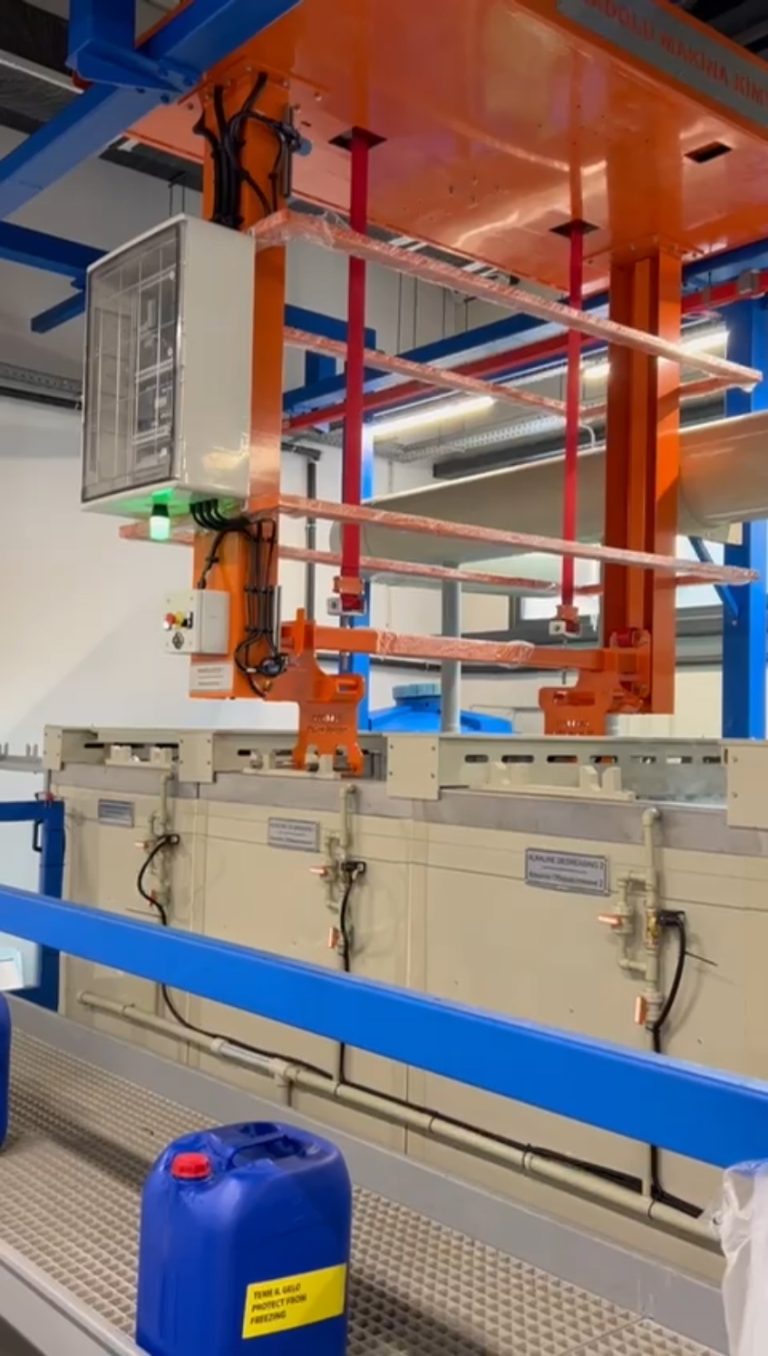
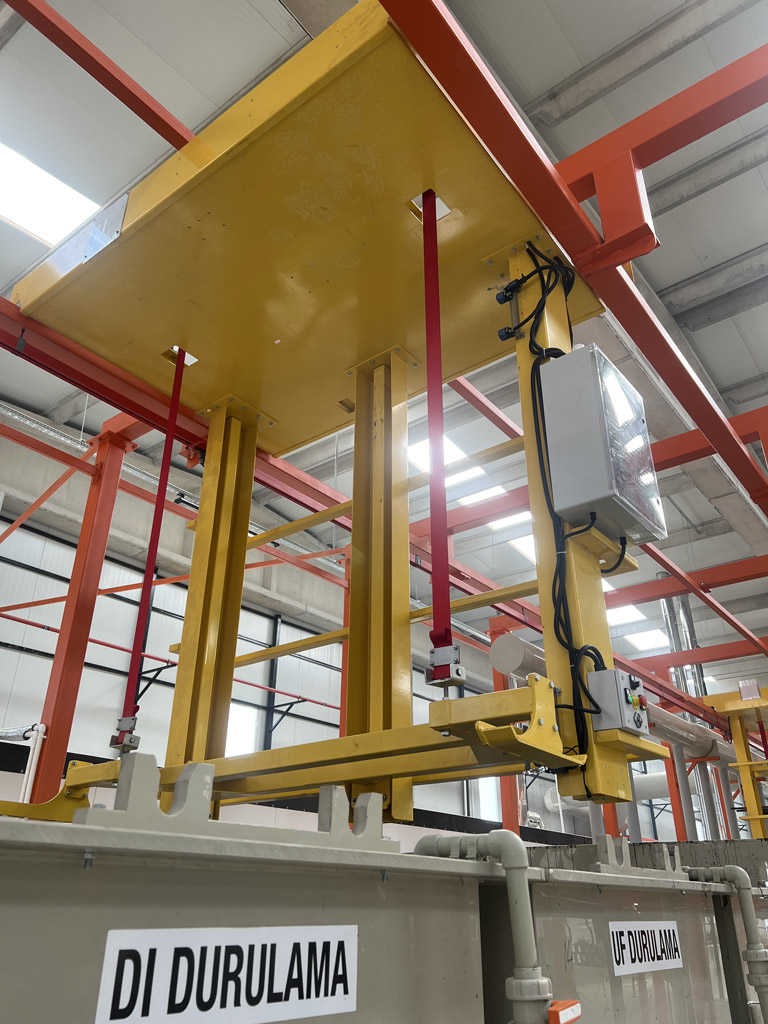
Used in coating plants robot ropes, These are robust rope and cable systems that provide load-bearing and movement support for industrial robots or automated handling systems.. This equipment facilitates the movement of robotic arms or transport units, balances mechanical loads, and ensures smooth operation.
Robot ropes, especially In coating lines, in part handling systems, in automated bath loading and unloading processes. They play a critical role. Thanks to their use, robots can safely handle heavy and delicate parts, increasing plant efficiency and extending the lifespan of mechanical equipment.
Advantages of Using Robotic Ropes
- Safe Freight Transport: It enables the safe handling of heavy and delicate parts in robotic systems.
- Precise Motion Control: It stabilizes the movements of robotic arms or handling units and supports their smooth operation.
- Equipment Protection: It reduces wear and mechanical tear in robot and conveying systems.
- Increased Productivity: It enables faster and more uninterrupted operation of the coating line.
- Easy Maintenance and Durability: Made with high-strength material, it offers long-lasting use.
Robot wheels
Transportation and Movement Support in Coating Plants
Used in coating plants robot wheels, These are high-durability wheels that enable the movement of industrial robots or automated conveying systems.. These wheels enable robotic arms or conveyor units to move smoothly and stably along the coating line.
Robot wheels, especially Part handling and robotic system positioning in automated coating lines. It is critically important. Thanks to its use, robots and handling units can safely transport heavy and delicate parts, increasing operational efficiency and extending the lifespan of mechanical equipment.
Advantages of Using Robotic Wheels
- Smooth Movement: It ensures stable operation of robotic systems and conveying units along the line.
- Load Carrying Capacity: It allows for the safe transportation of heavy and delicate parts.
- Equipment Protection: It reduces mechanical wear and tear.
- Increased Productivity: It enables faster and more uninterrupted operation of the coating line.
- Durable Material: It offers long-lasting and high-performance use.
Trolley wheel
Material Handling and Movement Support in Coating Plants
Used in coating plants trolley wheels, These are robust wheel systems designed to safely and easily transport heavy loads and coated parts within the facility.. These wheels enable the transport carts to move smoothly along the line, increasing workplace safety and operational efficiency.
Trolley wheels, especially Transport of parts between baths in coating lines, shipment from stock areas to production lines, and general in-plant transportation applications. This is critically important. Its use reduces labor costs, extends equipment life, and minimizes damage during transport.
Advantages of Using Trolley Wheels
- Easy and Smooth Movement: It ensures that the cars move stably and safely along the line in the coating plant.
- Load Carrying Capacity: It allows for the transportation of heavy and bulky parts.
- Equipment Protection: It reduces mechanical wear and tear and floor abrasion.
- Increased Productivity: It contributes to faster and uninterrupted transportation processes.
- Durable Material: It offers long-lasting and high-performance use.
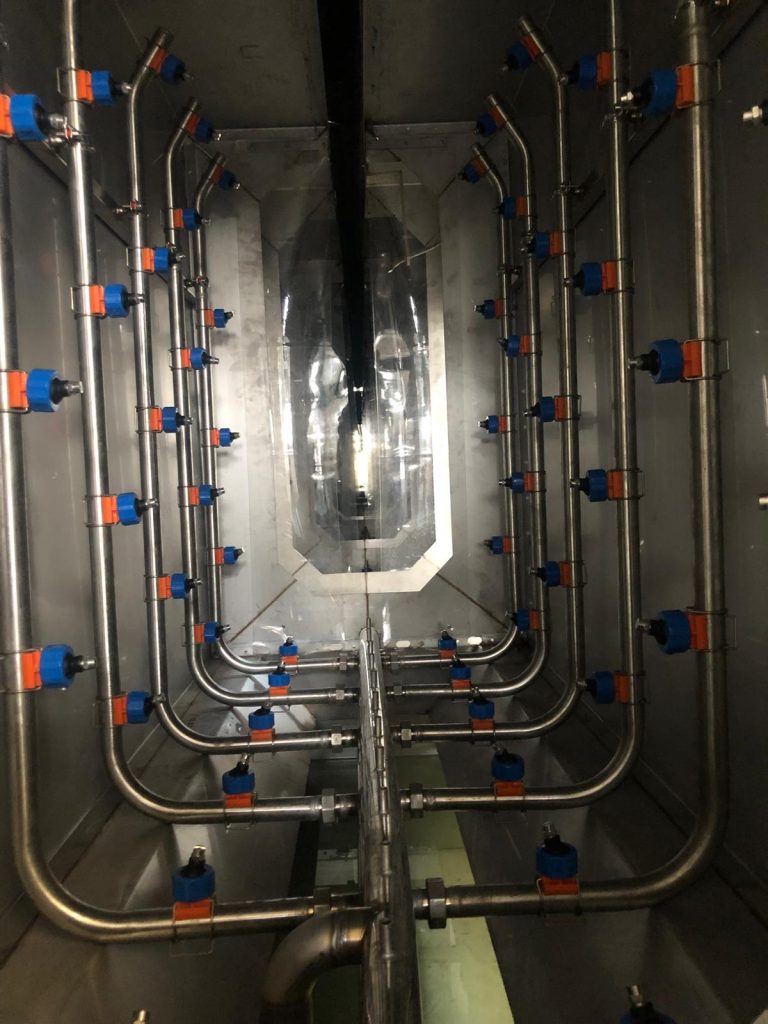
Nozzles
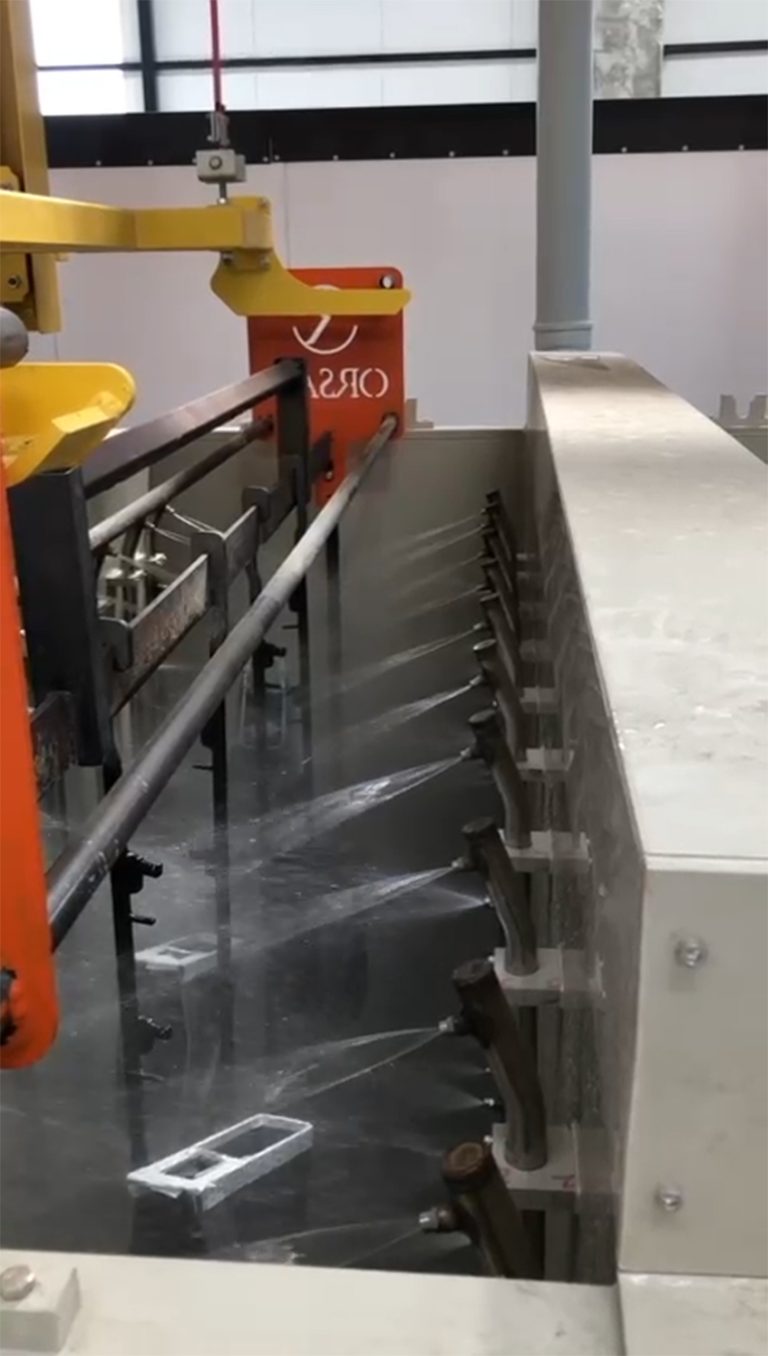
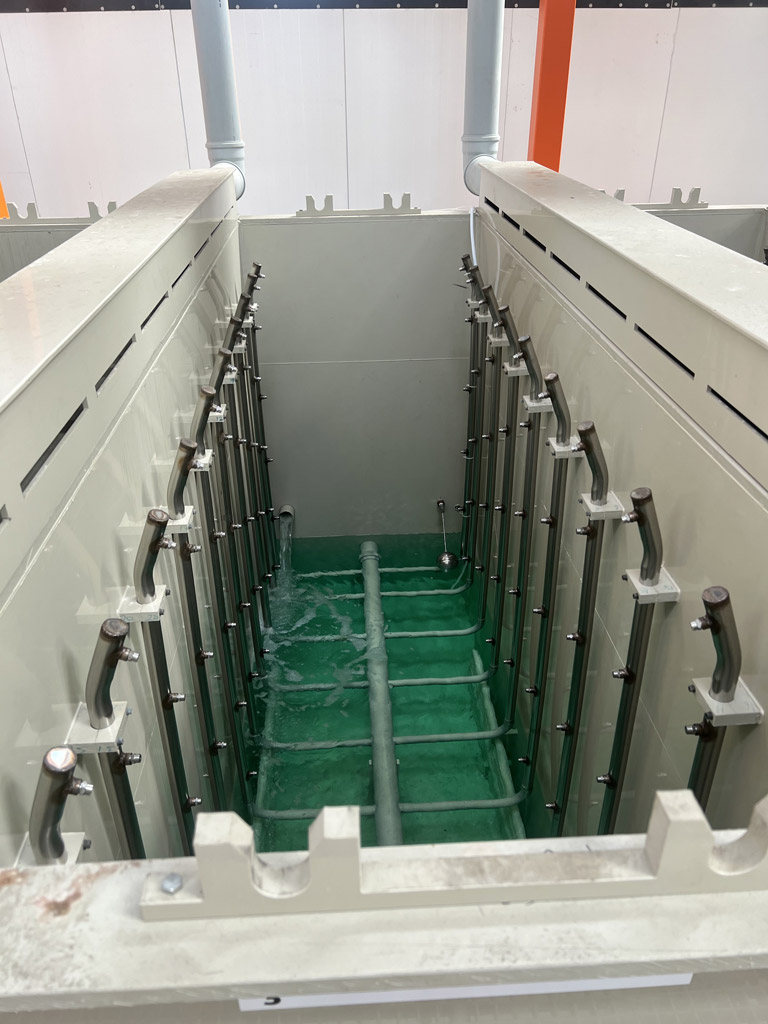
Used in coating plants nozzles, These are specialized spray nozzles that enable the direction of liquids with a specific flow pattern and pressure.. This equipment is used in plating baths, water treatment systems, and cleaning lines. homogeneous liquid distribution and effective process control. It plays a critical role in ensuring this.
Nozzles, especially Even distribution of chemical solutions in plating baths, directing pressurized water or chemical applications in cleaning or rinsing processes It is used for this purpose. Properly designed and positioned nozzles both improve coating quality and optimize chemical usage.
Advantages of Using Nozzles
- Homogeneous Liquid Distribution: It ensures even application in plating baths and cleaning lines.
- Improves Coating Quality: Even distribution of chemical solutions improves surface quality.
- Chemical Savings: Thanks to its spraying efficiency, it reduces unnecessary chemical consumption.
- Process Stability: By controlling the fluid flow, coating and cleaning processes operate more stably.
- Durable and Long-Lasting: Made with high-performance materials, it ensures long-lasting use.
Heaters
Temperature Control and Process Stability in Coating Plants
Used in coating plants heaters, These are pieces of equipment that provide energy to maintain liquids or plating baths at a specific temperature.. This auxiliary equipment improves the quality and efficiency of coating processes by ensuring that chemical reactions occur at the correct rate and homogeneously.
Heaters, especially in plating baths, water systems and pre/post treatment lines Heaters are used in coating processes because temperature has a direct impact on the effectiveness of chemical solutions and coating quality, making them critical equipment in the facility. With proper temperature control... homogeneous color, gloss and corrosion resistance on the coating surface. It is provided.
Advantages of Using Heaters
- Process Temperature Control: It ensures that plating baths and chemical solutions are maintained at the desired temperature.
- Improves Coating Quality: With a homogeneous and consistent temperature, surface quality improves.
- Chemical Efficiency: The effectiveness of the chemicals is maximized.
- Equipment Protection: Sudden temperature fluctuations and overheating are prevented.
- Energy Efficiency: It provides energy savings through controlled and optimized heating.
Dosing pump
Used in plating and water treatment plants. dosing pumps, Specialized pumps that enable the precise and controlled delivery of chemical solutions or additives to process water.This equipment is used in water treatment systems and plating baths. to ensure the accuracy of chemical dosing and process stability It is critically important.
Dosing pumps, especially pH control, flocculant and coagulant applications, disinfection, and the addition of chemical additives to water. It is used in processes such as these. With correct dosage, both chemical consumption is optimized and the chemical balance of plating baths and treatment systems is maintained.
Advantages of Using a Dosing Pump
- Precise Chemical Dosing: It ensures that chemicals are added to water or process baths in the correct and controlled amounts.
- Process Stability: It helps maintain chemical balance in plating and water treatment systems.
- Chemical Savings: It prevents unnecessary chemical consumption and reduces costs.
- Automation Compatibility: It enables easy integration with PLC and control systems.
- Longevity and Durability: It has a robust construction designed for industrial use.
Booster pump
Liquid Transfer in Plating and Water Treatment Plants
Used in plating and water treatment plants. booster pumps, Industrial pumps that transport water, process fluids, or chemical solutions from one point to another with high efficiency.This equipment is used in wastewater treatment plants for processing water and plating baths. It increases the continuity and efficiency of the process by ensuring that the material is transferred at the correct pressure and flow rate..
Booster pumps, especially Circulation of chemical baths in plating plants, transport of water between tanks and filters in treatment systems. It is used for this purpose. A correctly sized booster pump prevents pressure fluctuations in the system, extends equipment life, and ensures uninterrupted flow during operation.
Advantages of Using a Booster Pump
- High Efficiency in Liquid Transfer: It enables the rapid and uninterrupted transport of water and chemical solutions in coating and purification systems.
- Process Continuity: It prevents flow interruptions in plating baths and treatment lines.
- Equipment Protection: It increases the lifespan of system components by preventing sudden pressure changes.
- Use with Various Liquid Types: Suitable for clean water, wastewater, chemical solutions, and plating baths.
- Easy Integration and Maintenance: They are easily installed in industrial systems and require minimal maintenance.
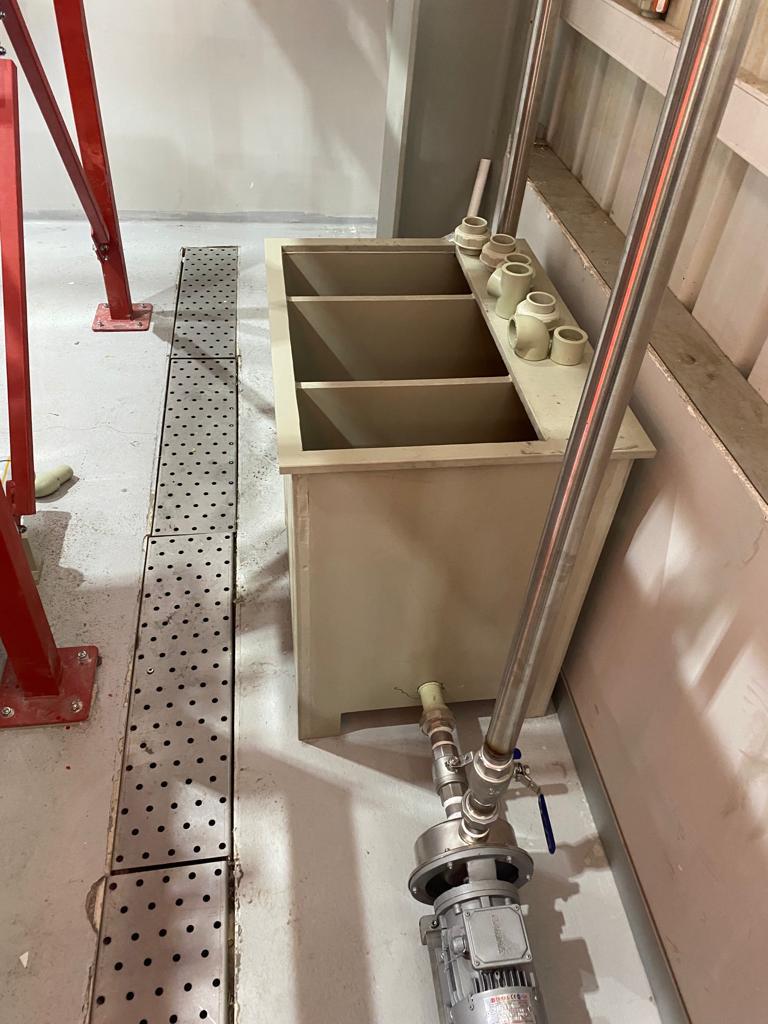
Reaction tanks
Chemical Processing and Homogeneous Mixing in Plating and Water Treatment Plants
Used in plating and water treatment plants. reaction tanks, These are specialized tanks that allow chemical substances to react with water or process fluids in a controlled manner.. These tanks are designed to increase the efficiency of chemical processes and ensure homogeneous processing of water or plating baths.
Reaction tanks, especially Flocculant and coagulant applications, pH adjustment, disinfection, and chemical reactions in plating baths. It is used for this purpose. Thanks to the mixing and circulation systems designed inside the tank, the chemicals are distributed evenly and a homogeneous mixture is obtained throughout the process.
Advantages of Using Reaction Tanks
- Homogeneous Chemical Reaction: Thanks to the mixing inside the tank, the chemical substances are distributed evenly.
- Process Efficiency: By increasing the efficiency of chemical reactions, purification and coating processes are optimized.
- Coating and Water Quality: Homogeneous mixing improves the quality of both the coating surface and the treated water.
- Equipment Protection: It prevents sudden changes in chemical concentrations, protecting system components.
- Flexible Design: It can be produced in different volumes and capacities, adapting to process requirements.
Sedimentation tanks
Removal of Suspended Solids in Plating and Water Treatment Plants
Used in plating and water treatment plants. sedimentation tanks, These tanks enable suspended solids in water or process fluids to settle to the bottom by gravity.. These tanks are used in water treatment systems. To perform liquid-solid separation and to ensure that clean water is collected from the top. It is critically important.
Sedimentation tanks, especially Sedimentation of solid particles following flocculant and coagulant applications, wastewater treatment, and sediment management in plating baths. It is used for this purpose. The design inside the tank facilitates the settling of solids to the bottom, ensuring high efficiency with homogeneous flow during the process.
Advantages of Using Sedimentation Tanks
- Removal of Suspended Solids: It enables the effective separation of solid particles from liquids.
- Treatment Efficiency: It increases the effectiveness of subsequent filtration and water treatment processes.
- Coating Quality: It protects surface quality by preventing sediment buildup in plating baths.
- Equipment Protection: It prevents wear and tear and clogging of filters and pumps.
- Flexible Design: It can be produced in different volumes and capacities, adapting to process requirements.
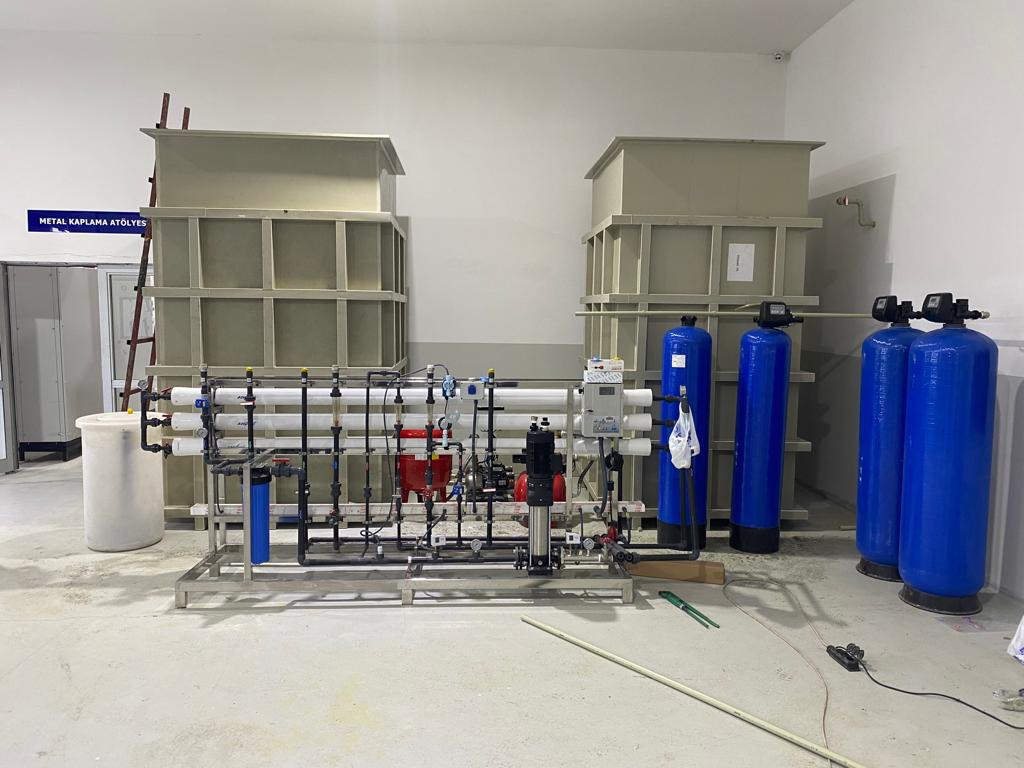
Revese osmosis units
High-Purity Water Production in Plating and Water Treatment Plants
Used in plating and water treatment plants. Reverse Osmosis (RO) units, These systems produce high-purity water by separating dissolved salts, organic matter, and pollutants from the water through semi-permeable membranes.. RO units are critical for improving process water quality and maximizing the chemical effectiveness of plating baths.
RO units, especially Pure water production, water conditioning, membrane pretreatment, and wastewater recovery in plating plants. It is used for this purpose. As water passes through RO membranes under high pressure, dissolved minerals and contaminants are retained in the membrane, producing clean water (permeate) which is then made available for use in the plant's processes.
Advantages of Using RO Units
- High Purity Water Production: It provides water with minimum mineral and ion content for plating baths and water treatment systems.
- Process Efficiency: It helps coating chemicals work more effectively.
- Wastewater Reduction: Water recovery is possible with RO membranes, resulting in water savings.
- Chemical and Energy Conservation: It reduces costs by using less chemicals and energy.
- Easy Integration: They can be quickly integrated into water treatment systems or plating plants.
Fiber resin tank
Used in plating and water treatment plants. fiber resin tanks, These robust tanks enable the safe storage and use of ion exchange resins or chemical additives in water treatment systems during filtration processes.. These tanks support the efficiency of chemical reactions without damaging the resin, ensuring the long-lasting operation of the system.
Fiber resin tanks, especially water treatment systems: softening, demineralization, and chemical filtration. It is used for various processes. The fiber material used in the tank's structure is both lightweight and durable, offering high resistance to pressure and chemicals. This ensures safe and efficient use in water treatment processes.
Advantages of Using Fiber Resin Tanks
- Durable and Lightweight Design: Thanks to its fiber structure, it is both durable and easy to transport.
- Chemical Resistance: It ensures safe use with resins and other chemical additives.
- Long-lasting use: It offers high resistance to mechanical shocks and pressure.
- Easy Integration: It can be easily installed in water treatment and coating systems.
- Filtration Efficiency: It optimizes filtration and ion exchange processes through homogeneous resin distribution.
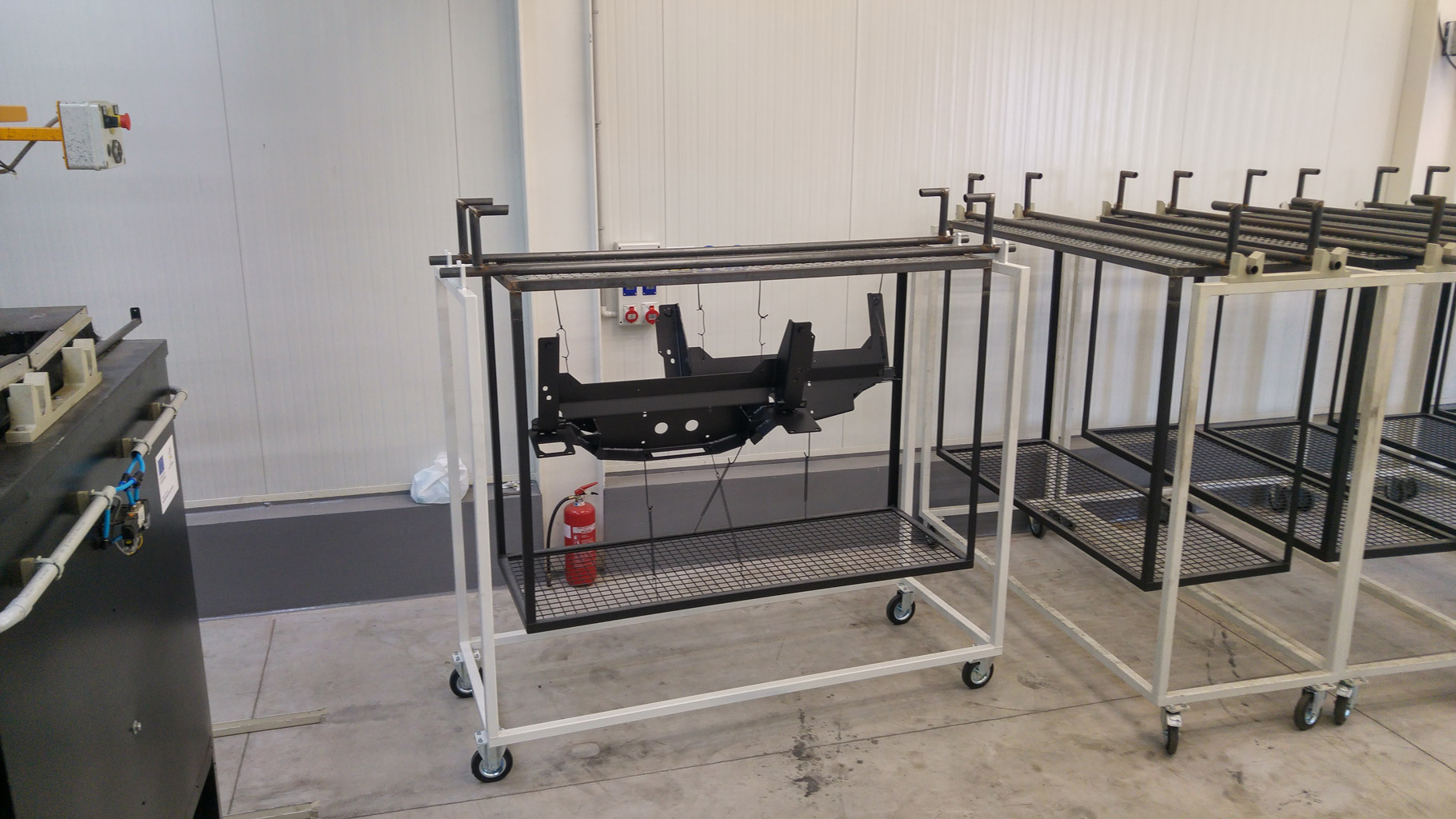
Transport carts
Material Handling in Coating and Manufacturing Facilities
Used in coating and manufacturing facilities transport carts, These are wheeled transport equipment designed to safely and practically transport parts, raw materials, or semi-finished products within a facility.. These carts facilitate the flow of materials between production lines and increase labor efficiency.
Transport carts, especially Transfer of parts to plating baths, material handling on production lines and shipment from storage areas to processing areas. It plays a critical role in operations such as these. Thanks to its robust construction and ergonomic design, it enables the safe handling of both heavy and delicate parts.
Advantages of Using Transport Carts
- Easy and Safe Transport: It ensures the safe transportation of heavy and delicate parts.
- Labor Productivity: It reduces the burden on operators and saves time.
- Durable Material: Durable and heavy-duty design.
- Flexible Use: They can be produced in different sizes and capacities, adapting to the needs of the facility.
- Operational Continuity: It ensures uninterrupted material flow in coating and production lines.
Baskets
Part Handling and Processing in Coating and Manufacturing Facilities
Used in coating and manufacturing facilities baskets, These are robust handling equipment that ensures the safe and orderly transport and storage of parts during coating, washing, or drying processes.. Baskets both facilitate the production flow and prevent damage to parts in in-house operations.
Baskets, especially Transfer of parts to plating baths, orderly handling of parts during pre/post processing, and material management on the production line. It is used for various purposes. Thanks to its different sizes and designs, it offers solutions suitable for various product types and capacities.
Advantages of Using Baskets
- Part Safety: It reduces the risk of impact and damage to parts during coating and manufacturing.
- Regular Transportation: It ensures that parts are transported in a specific order and in groups.
- Durable and Long-Lasting: It is manufactured from materials resistant to high temperatures, chemical and mechanical effects.
- Various Size Options: It offers designs to meet different product and process needs.
- Workflow Efficiency: It speeds up internal transportation and processing procedures within the facility and increases operational efficiency.
Hangers
Part Handling and Securing in Coating and Manufacturing Facilities
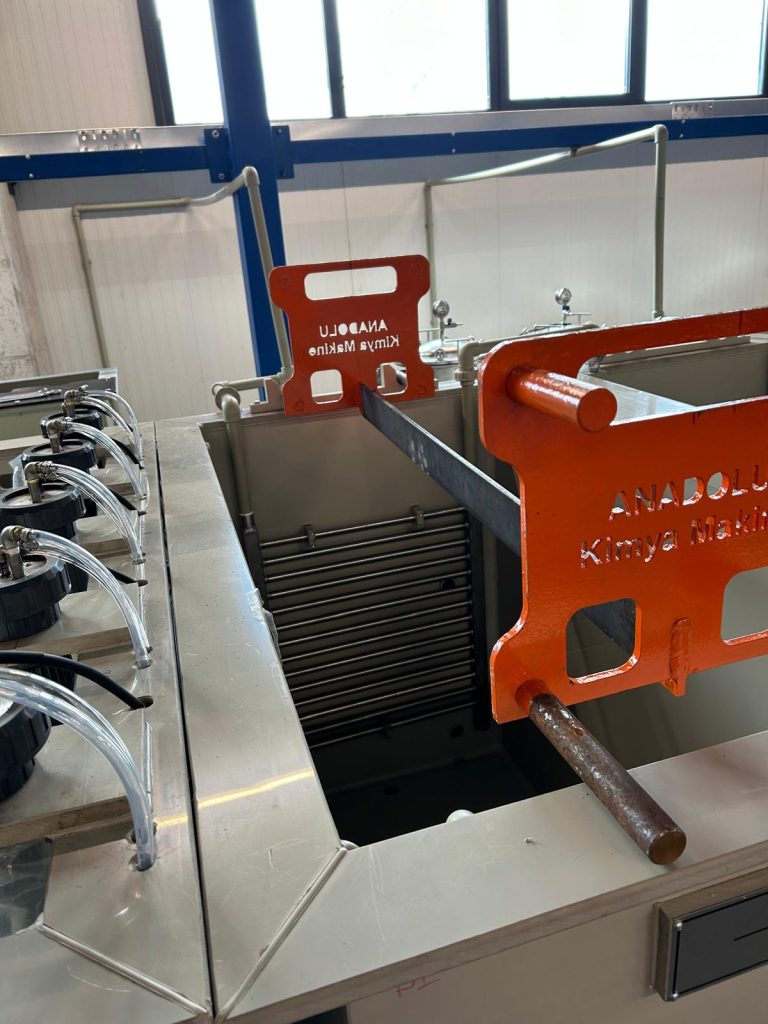
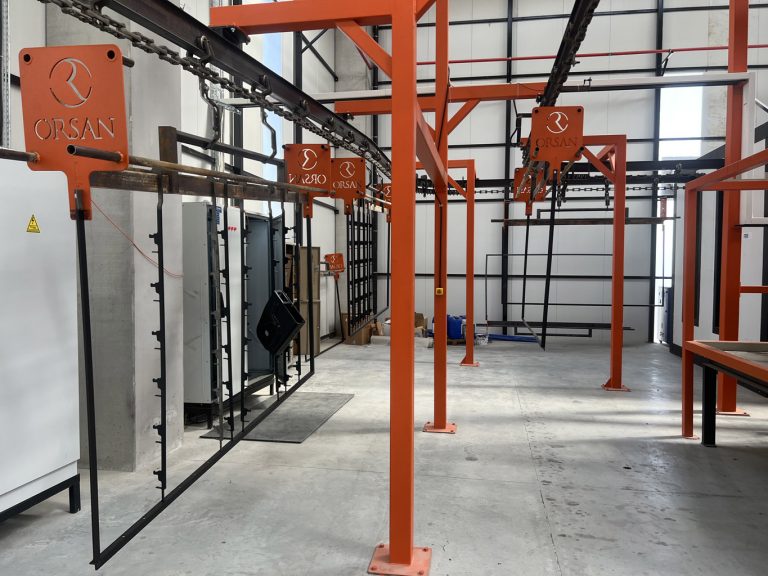
Used in coating and manufacturing facilities hangers, These are metal or durable material devices that ensure the safe and stable handling of parts during coating, washing, or drying processes.. Hangers help improve coating quality, especially in coating lines, by ensuring parts are held in the correct position.
Hangers, electroplating, chrome plating, nickel plating and other surface treatments They are used for transporting, drying, and processing parts between baths during the process. They are produced in various sizes and designs to accommodate different part types and weights.
Advantages of Using Hangers
- Part Fixing: It prevents parts from moving during coating and other surface treatments.
- Coating Quality: It ensures a homogeneous coating thanks to the particles being positioned correctly.
- Durable Material: It is made from a material resistant to high temperatures and chemical effects.
- Flexible Design: It can be adapted for parts of different sizes and weights.
- Efficient Transportation: It ensures safe and fast transfer between plating baths and production lines.
Drums
Used in coating and manufacturing facilities drums, These are rotary processing equipment that enables the bulk coating, washing, drying, or other surface treatment of small parts or products.. The drums ensure homogeneous processing of parts and an efficient processing procedure.
Drums, especially in electroplating, nickel, chrome or decorative plating lines It is used. The parts are placed inside the drum and their surfaces come into contact with the process fluid as it rotates. In this way, every surface of the small parts is evenly coated, cleaned or dried.
Advantages of Using Drums
- Homogeneous Process: It ensures that all surfaces of the parts are coated or cleaned evenly.
- Efficient Production: It allows for the processing of numerous parts simultaneously.
- Part Protection: It reduces damage by preventing delicate parts from colliding with each other.
- Flexible Capacity: Drums can be manufactured to accommodate different sizes and quantities of parts.
- Easy Integration: It works seamlessly with coating lines and other production equipment.
Laboratory equipment and chemicals
Analysis and Quality Control in Plating and Water Treatment Plants
Used in plating and water treatment plants. laboratory equipment and chemicals, These are specialized tools and materials designed to ensure quality control of process water, plating baths, and chemical solutions, and to support the safe and efficient execution of production processes.. These equipment and chemicals are critical for increasing the operational efficiency of the facility and ensuring production quality.
Among laboratory equipment pH and conductivity meters, titration devices, spectrophotometers, temperature and density measuring devices. They are found. Chemicals, on the other hand... reagents, standard solutions, and control substances used in analysis and testing. This equipment and chemicals can be used to monitor the chemical balance of plating baths, measure water quality in treatment systems, and quickly identify deviations in processes.
Advantages of Laboratory Equipment and Chemicals
- Accurate and Reliable Analysis: It accurately performs quality control of process water and plating baths.
- Process Optimization: Achieving chemical balance improves coating and treatment efficiency.
- Rapid Response: The analysis results allow for immediate corrective actions.
- Safe Use: Operator safety is ensured with appropriate laboratory equipment and chemicals.
- Industrial Adaptation: It enables measurement and testing to be carried out in accordance with the production standards of coating and treatment plants.
Automation Equipment
Control and Continuity in Plating and Water Treatment Plants
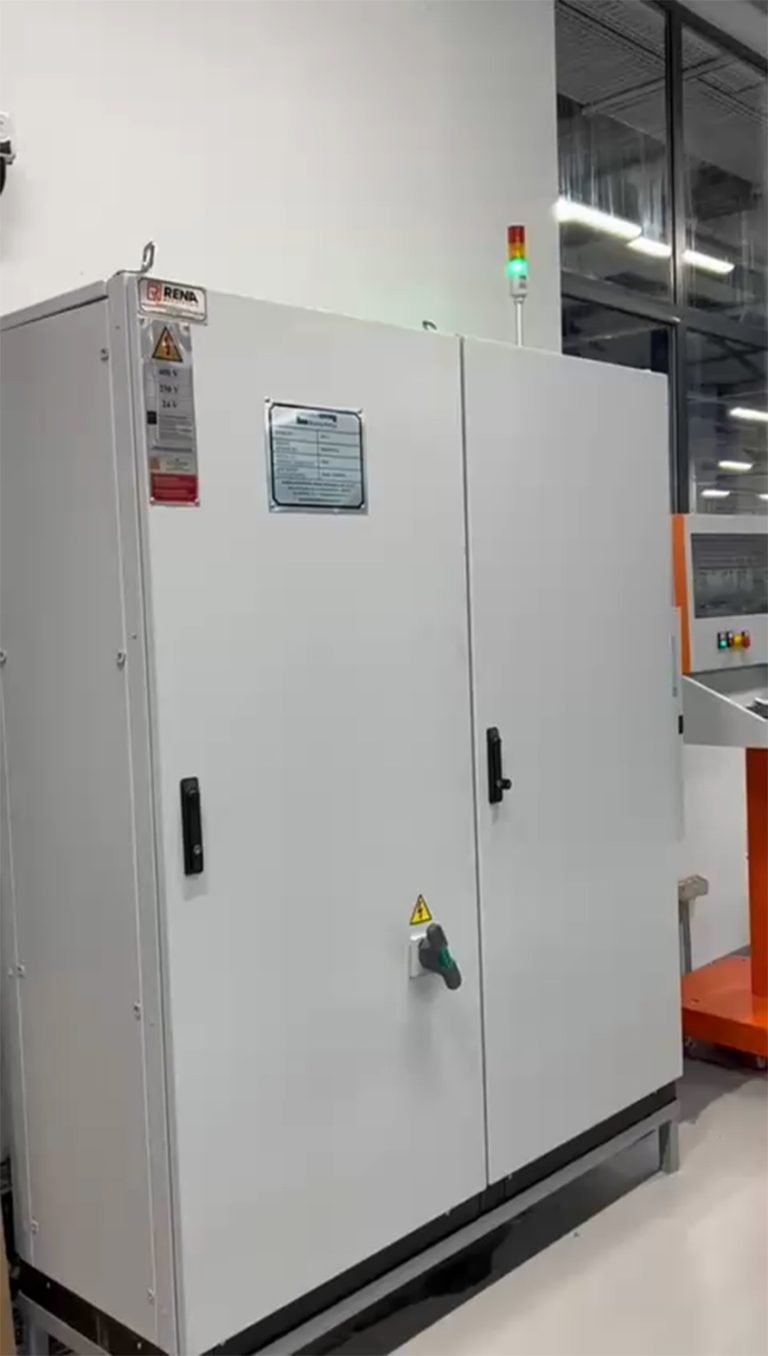
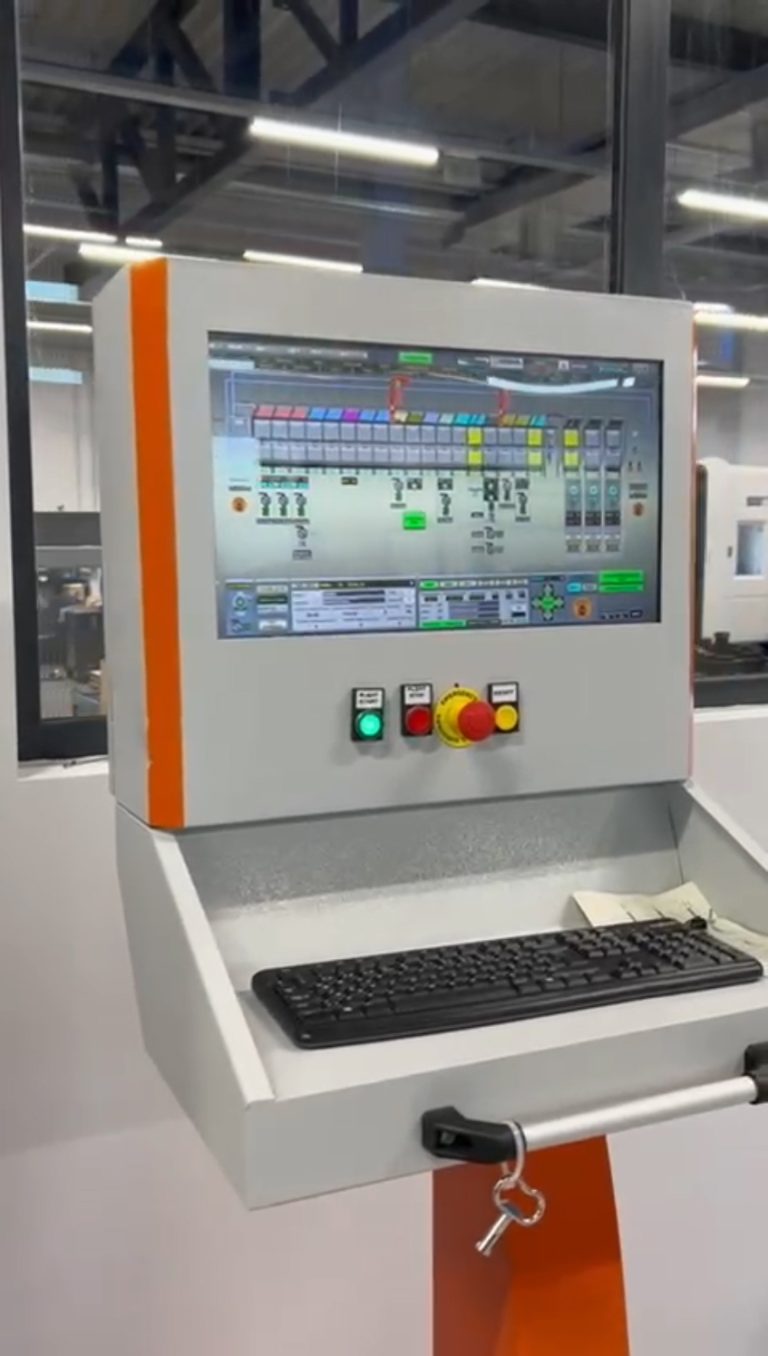
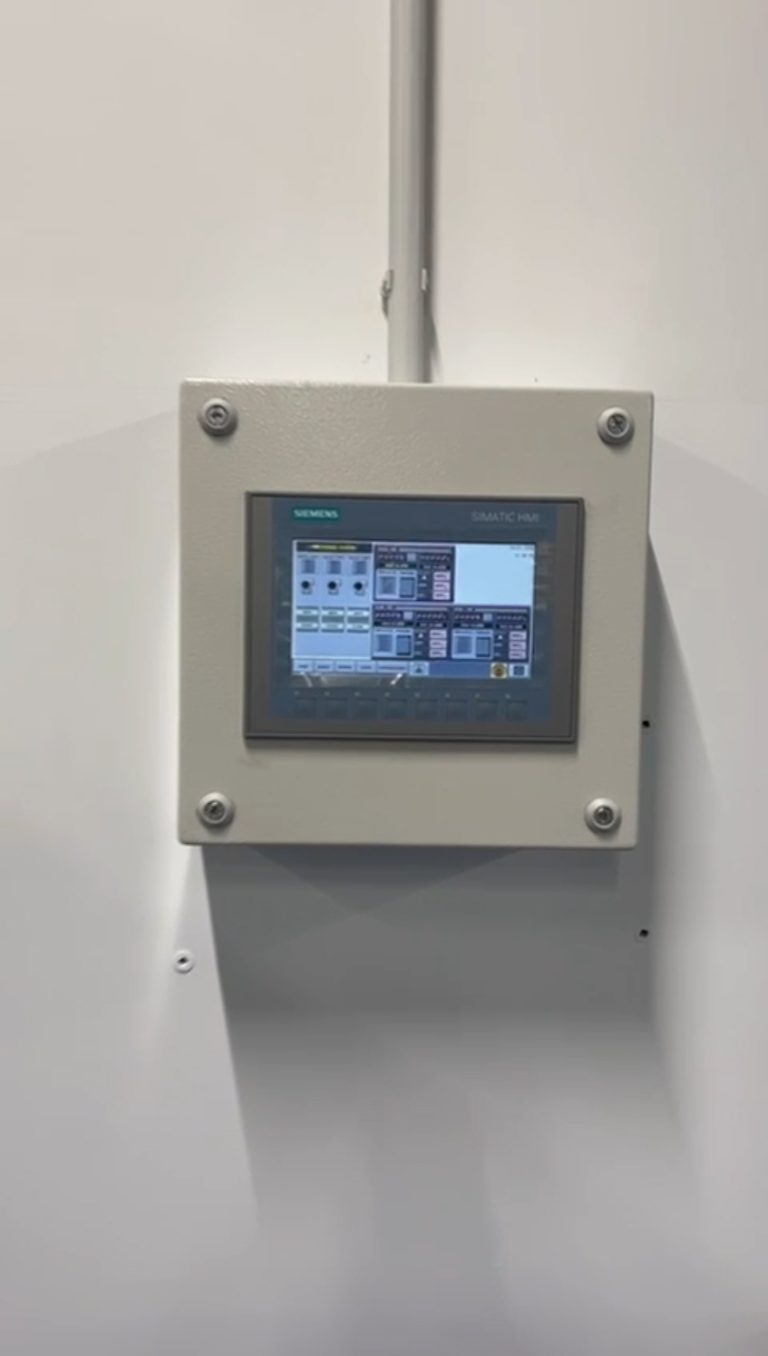
Used in plating and water treatment plants. automation equipment, These are devices and software that enable the automatic control of processes within the facility using electronic and software-based systems.. This equipment reduces human error, increases production efficiency, and ensures safe and uninterrupted plant operations.
Among automation equipment PLC (Programmable Logic Controller) systems, sensors, actuators, HMI (Human Machine Interface) panels, data loggers, and control software. These devices enable continuous monitoring of process parameters (temperature, pressure, flow rate, pH, flow rate, etc.) and their automatic adjustment to desired levels.
Advantages of Automation Equipment
- Continuous Process Control: Facility operations are monitored and controlled automatically.
- Error and Risk Reduction: It prevents human error and increases safety.
- Data Tracking and Reporting: Process data is recorded, enabling analysis and reporting.
- Energy and Chemical Conservation: Systems are automatically optimized, reducing costs.
- Easy Integration: It can be installed and expanded in a way that is compatible with the existing facility infrastructure.